Choose one main activity
| Idea | Preparation | Why it suits a meal |
|---|---|---|
| Table quiz | Twelve light questions and answer slips | People can join from their seats |
| Secret Santa exchange | Opt-in list and agreed spending cap | Easy to keep brief between courses |
| Year-in-moments cards | Blank cards with friendly prompts | Works without a microphone or presentation |
| Team playlist nominations | One song suggestion per willing guest | Creates conversation without compulsory performances |
Start with a booking brief, not a decoration order
Send the venue the proposed date, approximate headcount, age range, arrival window and preferred finish. Explain whether you need a seated meal, a semi-private section or a genuinely private room. Those are different arrangements. Ask about noise, accessibility, toilets, payment methods and any outside cake or decoration rules before promising colleagues a particular setup.
If the employer is paying, agree who can approve extras and what the bill needs to show. If guests are contributing, state the expected contribution before collecting attendance. Avoid inviting someone into a plan that only becomes affordable after they discover they can skip dinner.
A sample evening that leaves time to talk
Use the first twenty minutes for arrivals and drinks, with food available soon enough that early guests are not waiting through a long round of introductions. Follow with starters and informal conversation. Put a ten- or fifteen-minute activity between courses, then let the main meal and dessert carry the rest of the evening. These are planning allowances, not a promise of restaurant service speed.
Keep speeches short and tell speakers the limit beforehand. If recognition is part of the event, use thoughtful acknowledgements rather than competitive awards about appearance, attendance, relationships or drinking. A celebration should not create an uncomfortable story that follows somebody back to work.
Three alternatives to compulsory entertainment
For a table quiz, mix neutral subjects such as films, everyday food and travel. Let people answer in small groups and make the prize modest. Avoid questions that require intimate knowledge of the company or assume everyone shares the same language, religion or pop-culture background.
For a year-in-moments activity, offer prompts such as a useful thing learned, a small win or a place someone would like to visit. Guests can answer aloud, write a card or pass. For gift-giving, use a genuinely optional Secret Santa exchange with a stated budget and no joke gifts aimed at personal insecurities.
Order food as a group, drinks as individual choices
Collect dietary requirements before fixing a menu. Ask the kitchen about ingredients and preparation when allergies matter; a vegetarian label does not answer every dietary question. Choose a balanced set of shared dishes rather than ordering many similar fried starters and leaving the main course unresolved. Confirm portions with the restaurant because dish names alone do not tell you how many guests they serve.
Make non-alcoholic choices easy to find and equal in status. Do not organise games based on alcohol consumption or comment on a colleague declining alcohol. If the budget covers a welcome drink, agree whether the allowance can cover a mocktail, soft drink or another suitable option. Keep water available throughout the meal.
Use the room you actually booked
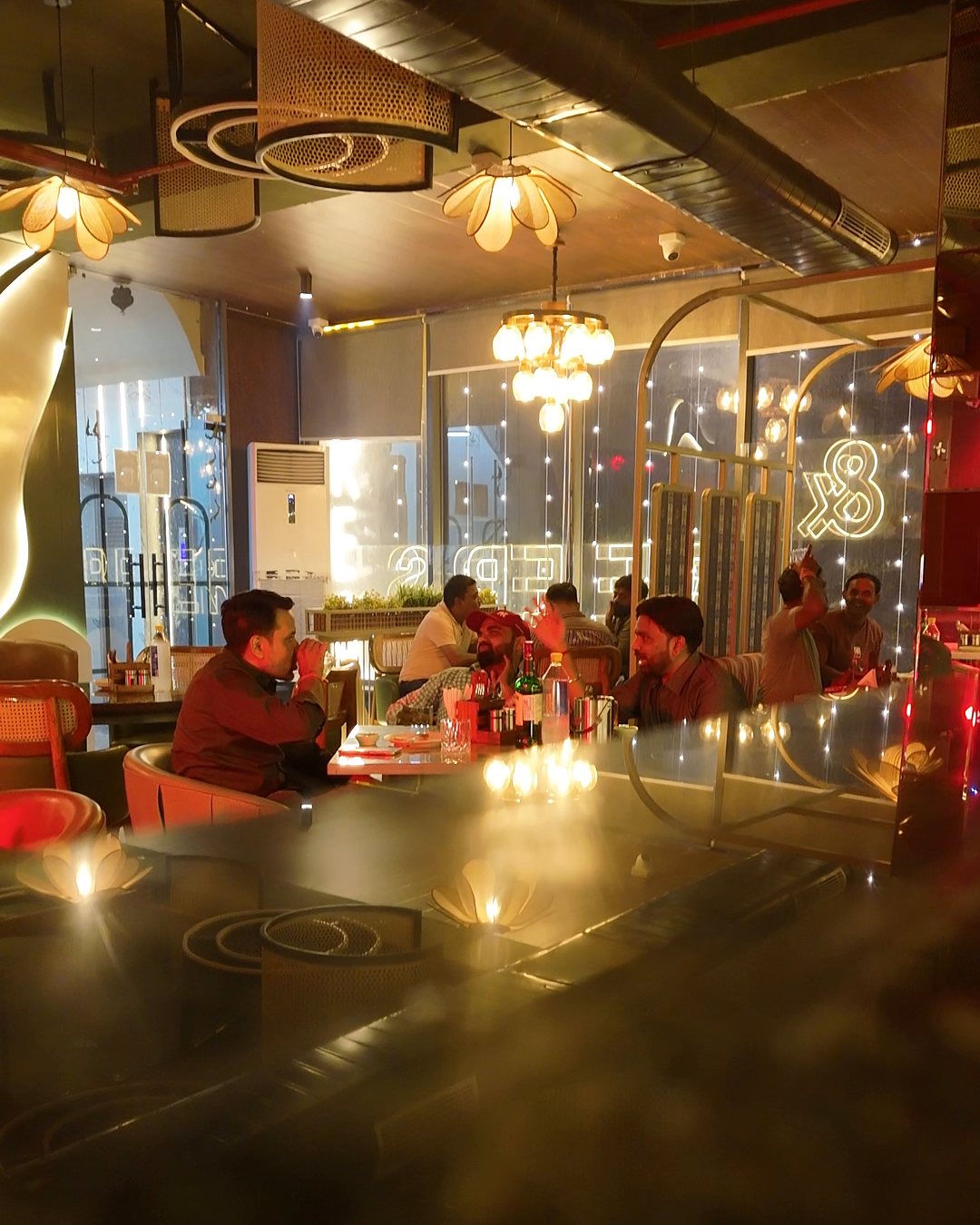
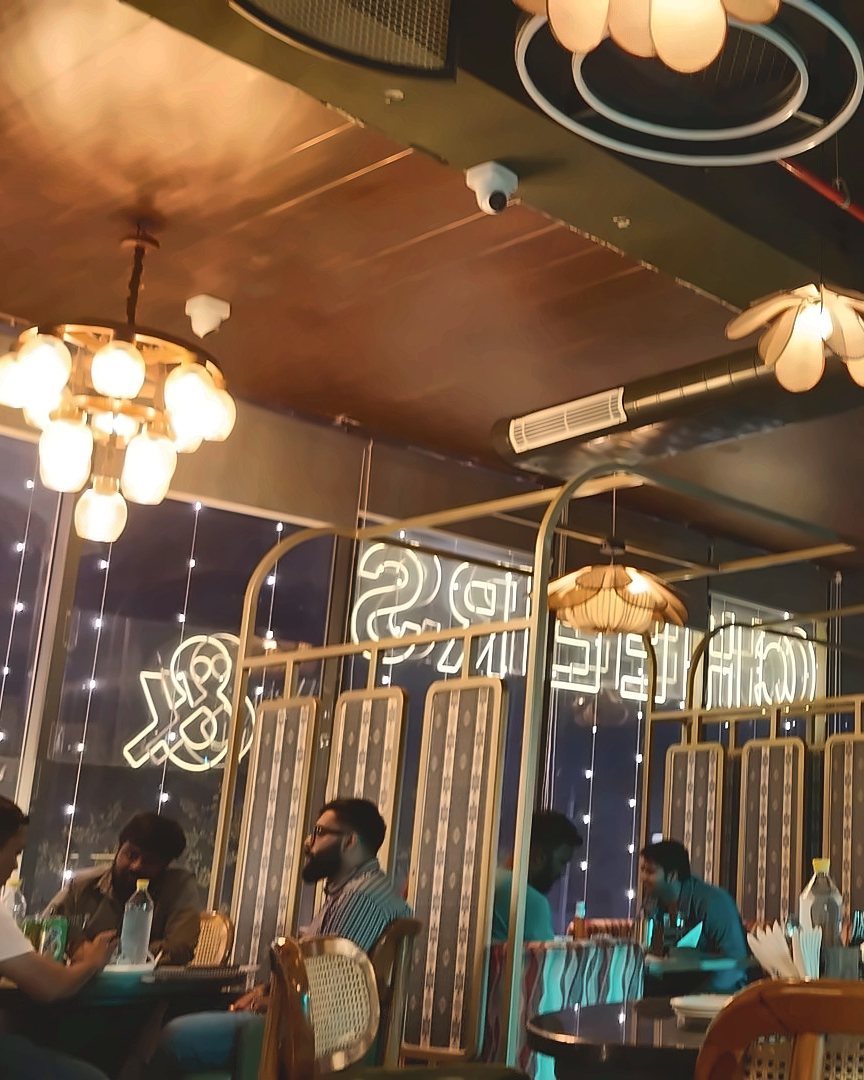
A lively bar can suit a social team, while a quiet restaurant may suit a group that wants to hear each other clearly. At Cheers & Beers, party enquiries go to the team for confirmation; this guide does not advertise a fixed corporate package, private room or guaranteed group capacity. The venue's 21+ policy applies to every guest.
Ask before bringing speakers, adhesives, confetti or large decorations. Keep walkways and service areas clear. If an activity needs silence, a screen or a microphone, establish that with the venue rather than assuming it comes with a table.
Close the evening cleanly
Before guests leave, settle the bill with the designated organiser and share any agreed expense process. Check that everyone has a sensible route home, especially if alcohol was served. Thank people for coming without treating an early departure as a lack of team spirit. The most useful measure of the evening is whether colleagues felt comfortable spending time together.